
Holy Spirit or Holy Psyche? Energy‑Like Somatic Experiences in Contemporary Abrahamic Meditative Traditions
Cross-Cultural Experiences of Energy
This study interviewed practitioners from Jewish, Christian and Islamic contemplative traditions and found many reports of inner energy sensations such as warmth, vibration or internal movement. These cross-cultural accounts were often linked to clarity, emotional release or spiritual connection, suggesting that energy related experiences can shape how people understand transformation and inner change across diverse contemplative paths.
Research Question: Do people practicing Jewish, Christian, or Islamic meditation experience "energy" sensations (like vibrations or currents) in their bodies, and how do they make sense of these experiences?.
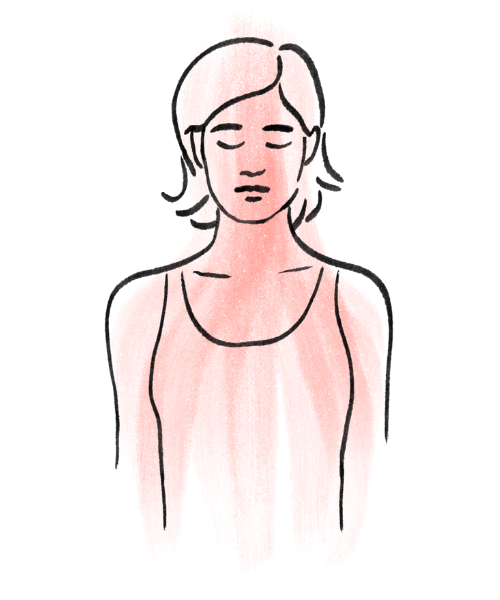
Key Findings: Energy-like somatic experiences (ELSEs) are common in modern Abrahamic prayer and meditation. About 40% of practitioners and 43% of teachers reported sensations like vibrations, heat, or "electricity". These experiences are often interpreted through a mix of religious terms (such as the Holy Spirit or divine vitality), psychological frameworks (like "releasing trauma"), and concepts borrowed from Asian traditions (like chakras or kundalini).
Design:
- A qualitative interview study using an "attributional lens" to differentiate raw physical sensations (phenomenology) from the religious or psychological meanings (appraisals) participants assigned to them.
- Researchers conducted semi-structured interviews (via Skype, Zoom, or in person) and used Applied Thematic Analysis to categorize experiences into domains such as affective, somatic, and perceptual.
Subjects: n= 60 participants—30 practitioners and 30 teachers—representing a cross-section of Jewish, Christian, and Islamic/Islamicate contemplative traditions.
Biofield / Energy Healing Intervention: Various contemplative practices, including the Jesus prayer, chanting of divine names, Dhikr, Kabbalistic meditation, and whirling.
Results:
- Overall Results: Energy experiences are not uniform; they range from brief "shivers" to intense, life-changing events that can last for years.
- Primary Outcome Results: 42% of the participants reported either physical energy sensations or specific interpretations of those sensations.
- Secondary Outcome Results: Half of the practitioners had previously studied Asian traditions (like Yoga), which heavily influenced how they labeled their experiences as "energy" or "chakras".
Discussion:
- Practitioners use metaphors like "electricity," "flowing water," and "fire" to describe what they feel.
- These experiences can be deeply positive (feelings of love, peace, and awe) or challenging (triggering fear, pain, or the re-experiencing of traumatic memories).
- Many people were surprised or unnerved by these sensations because their specific religious tradition didn't always have a modern "manual" for them.
- The study suggests that while culture helps people "label" what they feel, some of these intense events are grounded in the body’s own biology and occur even when not expected.
Conclusion: Energy sensations are a frequent part of Jewish, Christian, and Islamic contemplative paths, not just Eastern ones. These findings show that "biofield" experiences are a cross-cultural human phenomenon often understood through a "hybrid" lens of spirituality and modern psychology.
Link to Publication: https://doi.org/10.3390/rel16111436
Energy-Like Somatic Experiences in Meditation
This qualitative study gathered reports from Western Buddhist meditators, 62% of whom described energy-like sensations such as warmth, vibration “cascading through the body”, or internal movement during practice. These accounts show energy-related phenomenology may play a meaningful role in contemporary meditation.
The Subjective
Experience of Reiki
This large qualitative study gathered reports from more than one thousand Reiki sessions, finding common experiences such as deep relaxation, bodily sensations, emotional release and shifts in awareness. These recurring accounts offer insight into how people subjectively experience Reiki, providing a phenomenological picture of the inner changes that can accompany biofield-based healing practices.
Subtle Energy in Indo-Tibetan Medicine and Philosophy
This article reviews how South Asian and Himalayan healing systems, including Vedic, Jain, and Tibetan traditions, describe subtle energies and consciousness as part of health, balance, and healing. It explains how these cross cultural frameworks offer long standing accounts of energy and inner experience, suggesting that the biofield concept aligns not only with modern inquiry but also with ancient understandings of healing.
Explore the Science
Browse by Category




Join the Community
For exclusive access to the latest research, resources and stories transforming how we experience healing.

Phenomena Healing was created by the non-profit Merraki Media and the Subtle Energy Funders Collective to thoughtfully explore energy healing, using rigorous scientific inquiry, in an endeavor to help reduce suffering and promote wellbeing. "Merraki" is a Greek word that means “doing something purely for the love of it."
© 2026 Phenomena Healing